Education and Skills for Employability (EASE)
The World Bank has approved the Education and Skills for Employability Project (EASE), which encompasses twenty-four Polytechnic Colleges (PTCs) across Ethiopia. This initiative aims to enhance the quality of education and training provided by Polytechnic College, ensuring that graduates possess the skills necessary to meet the demands of priority sectors within the Ethiopian economy. Among the selected colleges benefiting from the EASE Project is the Ethio-Italy Polytechnic College, which is dedicated to establishing itself as a center of excellence in Metal Manufacturing, Electro technology and Auto Electric. The Ministry of Labor and Skills (MoLS) has been entrusted with the oversight of the twenty-four implementing PTCs in Ethiopia. In addition, the MoLS is responsible for executing key activities that promote a more inclusive and enabling Technical and Vocational Education and Training (TVET) environment throughout the country.
The Education and Skills for Employability Project (EASE) is a five-year initiative funded through Investment Project Financing by the International Development Association (IDA) in collaboration with the Government of Ethiopia, with a total budget of US$ 200 million. The project implemented by the Ethio-Italy Polytechnic College, which has been allocated US$ 6.7 million for its activities.
EASE project aims to address critical skill shortages and mismatches in the Ethiopian labor market by providing technical support, financial resources, and fostering industry partnerships. The project focuses on enhancing the relevance and quality of training programs across 24 selected Public Technical Colleges (PTCs). There is compelling evidence that disadvantaged youth face significant risks of ongoing labor market and social exclusion if they do not acquire essential skills and work experience during pivotal stages of their development.
The Ethio-Italy Polytechnic College EASE Project provides market-relevant skills in priority sectors of Metal Manufacturing, Electrical Technology and Auto Electric, playing a crucial role in advancing the government’s economic vision. As Ethiopia’s economic landscape continues to evolve, it is imperative to bridge the gap between workers’ skills and industry needs. Through this, the project aim to cultivate a skilled workforce that can contribute to sustainable economic growth and development in Ethiopia.
Primary aims at the college:
- Strengthen governance, planning and quality assurance systems to sustain improvements in technical training.
- Modernize curricula and assessment to reflect industry requirements and competency-based approaches.
- Upgrade learning environments and digital content to increase access to practical, competency-based training.
- Build staff and trainer capacity (both pedagogical and technical) and improve links with industry for internships, apprenticeships and placement.
- Project Achievements — Ethio-Italy Polytechnic College (EASE)
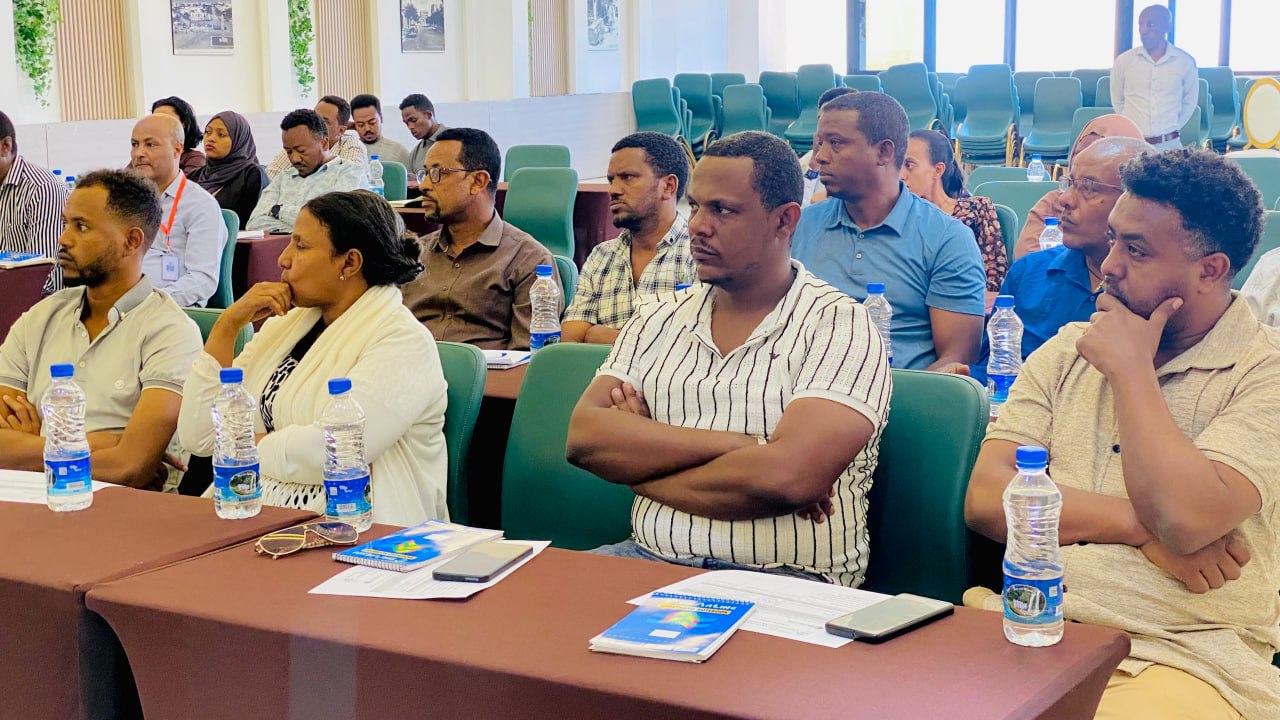
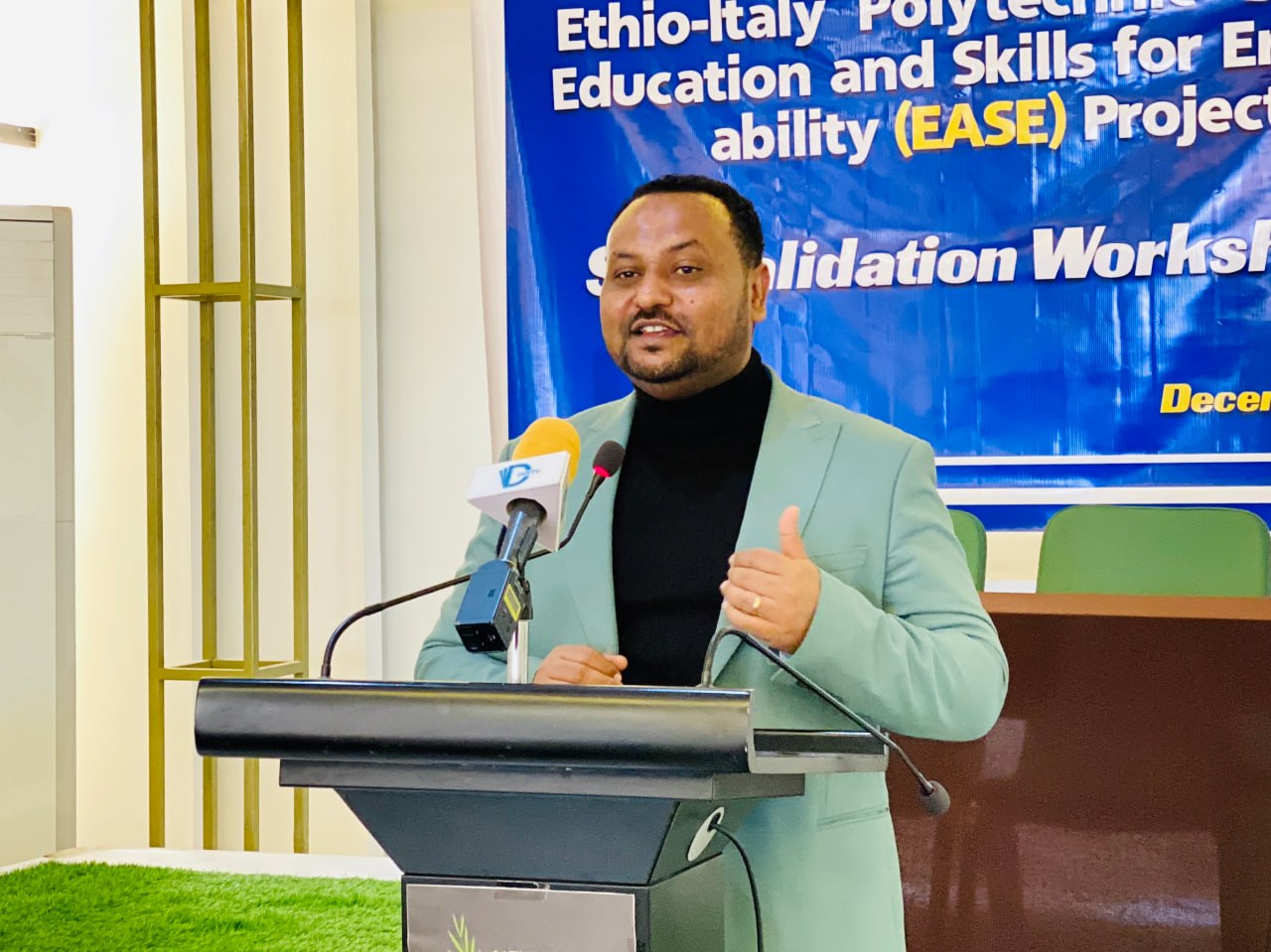
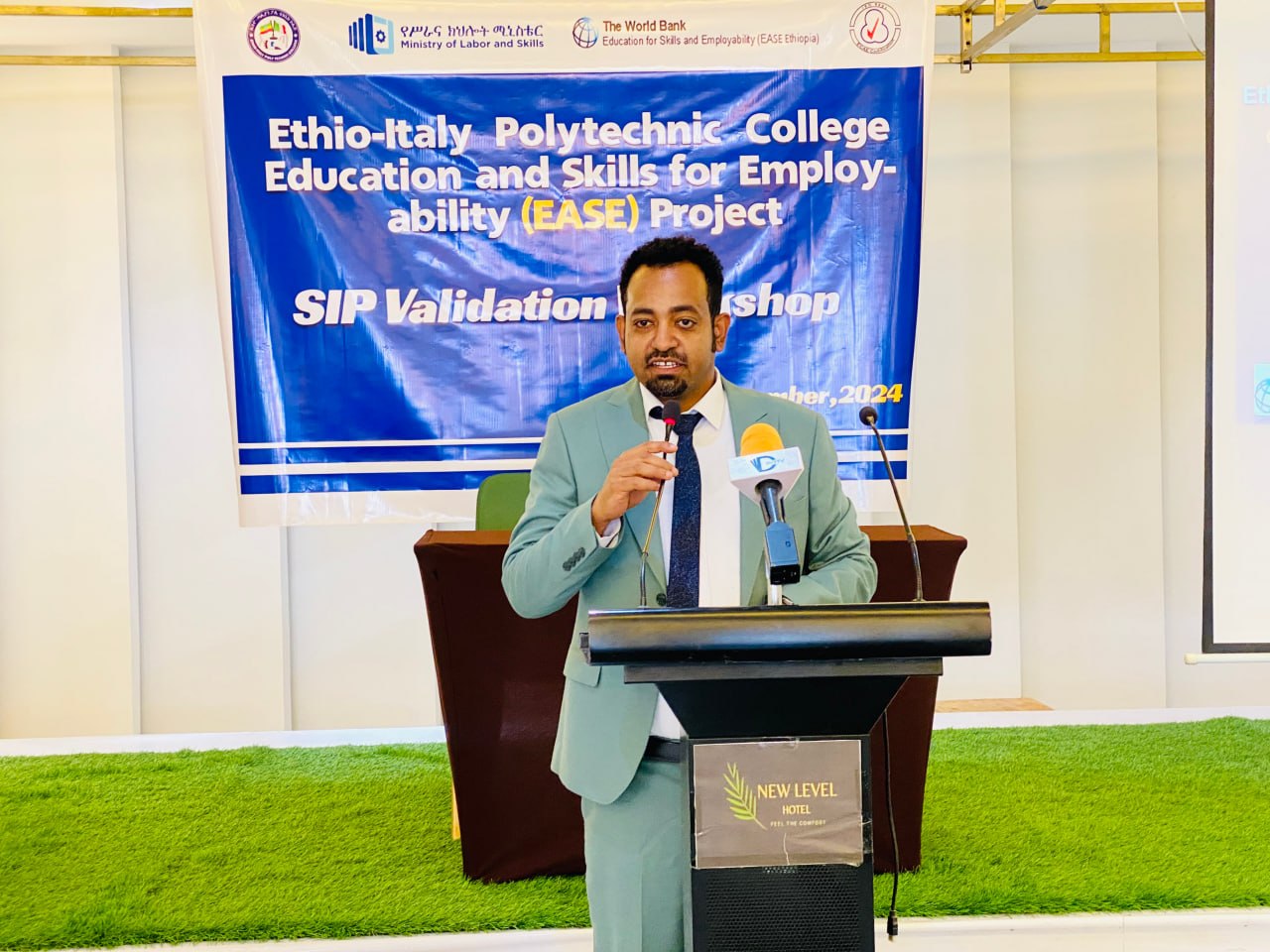
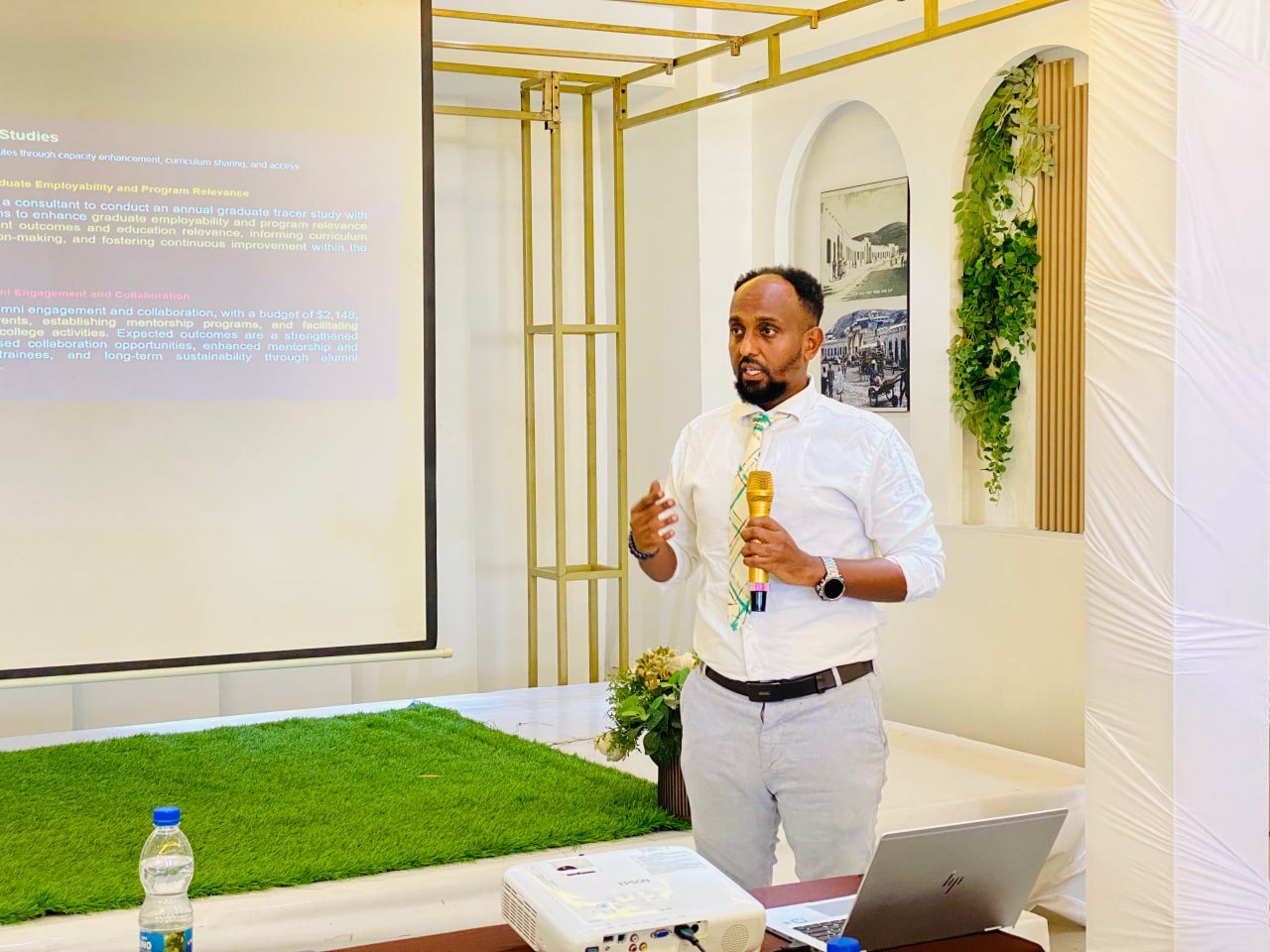
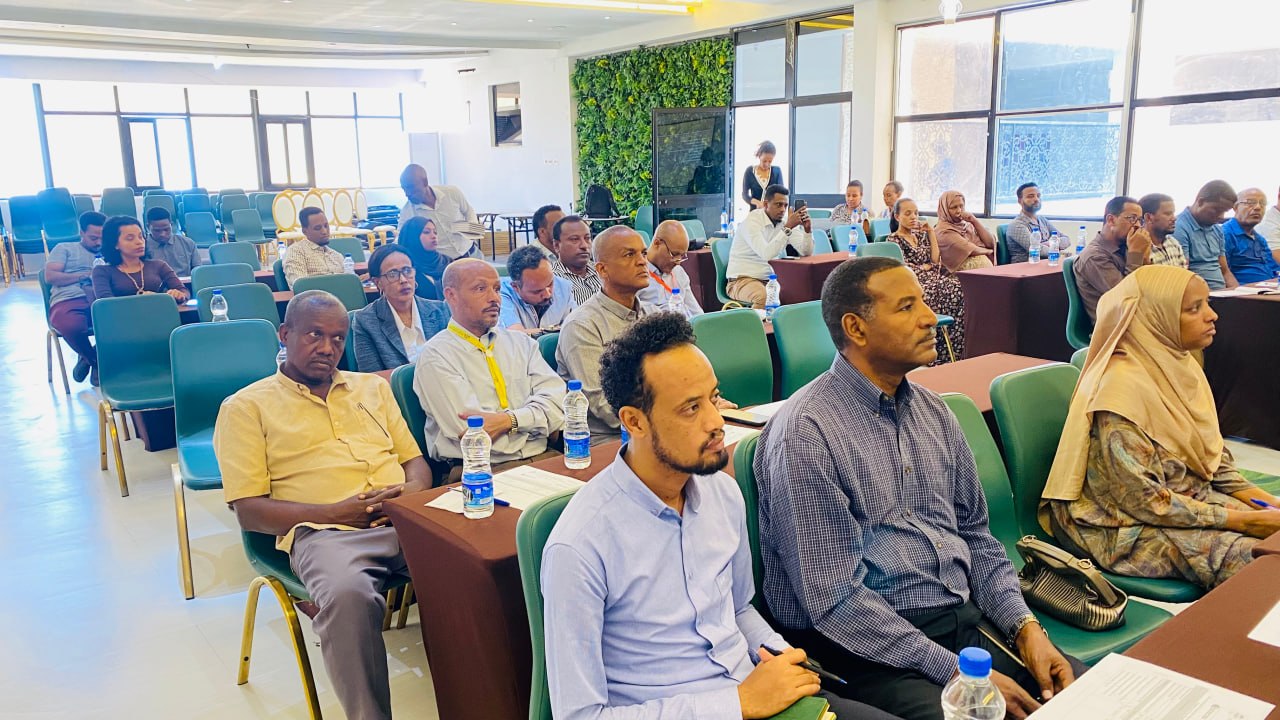
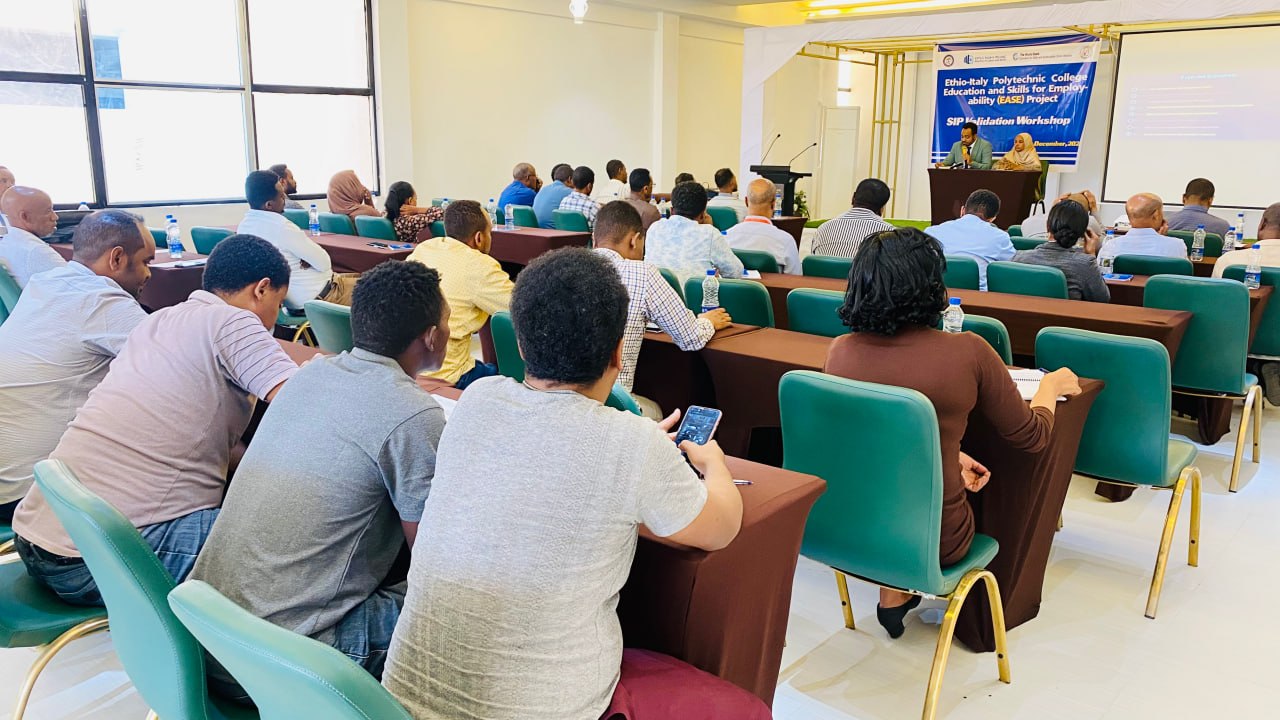
In the first project year, Ethio-Italy Polytechnic College made significant strides in key areas. The college prepared and verified a Strategic Investment Plan (SIP) through workshops organized with the Industrial and Technical Advisory Board (ITAB) and college staff. Environmental and social safeguard policies were integrated through environmental screening and stakeholder consultations. This work led to the creation of inclusive and gender-responsive toolkits that promote fairness and accessibility.
The college also improved its internal quality assurance by starting preparations for ISO 9001:2015 Quality Management Systems (QMS) certification. This effort was supported by acquiring digital tools aimed at improving institutional performance.
To increase visibility and encourage participation, the college hosted several awareness workshops with schools, the media, and parents. It also revived TVET clubs to get students involved and shared materials to boost institutional outreach. To meet industry needs, the college conducted skill demand surveys and held focused group discussions (FGDs) with industry partners to ensure training programs met labor market requirements.
Promoting entrepreneurship was another priority this project year. The college established and nurtured internal income-generating units that offered trainees hands-on business experience and improved sustainability. They enhanced capacity building through international training programs in China, collaborating with two Chinese institutions. These programs included industry attachments that gave trainers practical skills and improved teaching abilities.
To support female trainees, FGDs were conducted to identify gender-specific challenges. The results of these discussions helped develop targeted interventions aimed at increasing female participation and retention in technical courses. Additionally, the college expanded its outreach by signing Memorandums of Understanding (MOUs) with non-project institutes, thereby strengthening inter-institutional connections and broadening its collaborative network. Overall, the college demonstrated impressive growth in governance, training quality, inclusivity, industry connections, and institutional partnerships, reinforcing its status as a leading center of technical and vocational excellence.
Concluding
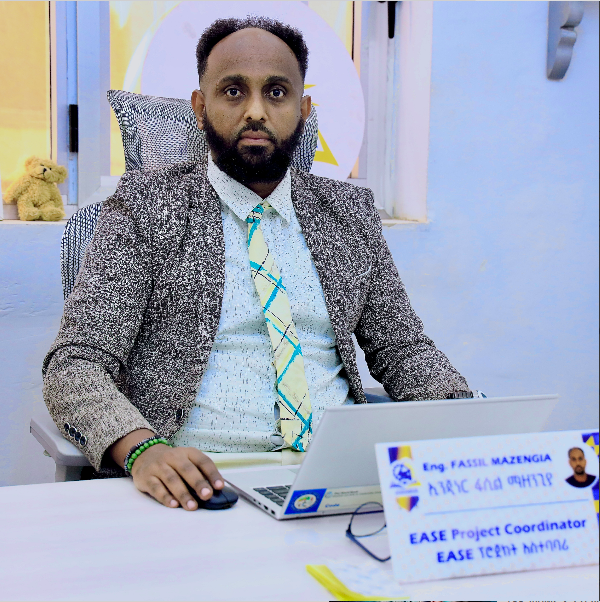
Under the leadership of project coordinator Fassil Mazengia Tadese, Ethio-Italy Polytechnic College used the EASE project to produce measurable improvements in governance, curriculum relevance, trainer capacity, and industry engagement — all of which contributed to better aligned, more practice-oriented programs and stronger pathways for graduates into employment or self-employment. Continued tracking of placement rates, equipment maintenance, and the financial sustainability of short-course delivery will be important to lock in long-term impact.